Water hazards affect Cincinnati homes out of the blue. Leaving the biggest enemy of your home inside for too long can make the condition even worse.
Quick responses can save your property from total structural collapse. The water damage drying process should begin as soon as possible.
Here is a guide by Tri-State Restoration Services to help you dry your house after water damage to return to safety.
Why Does Water Damage Occur?
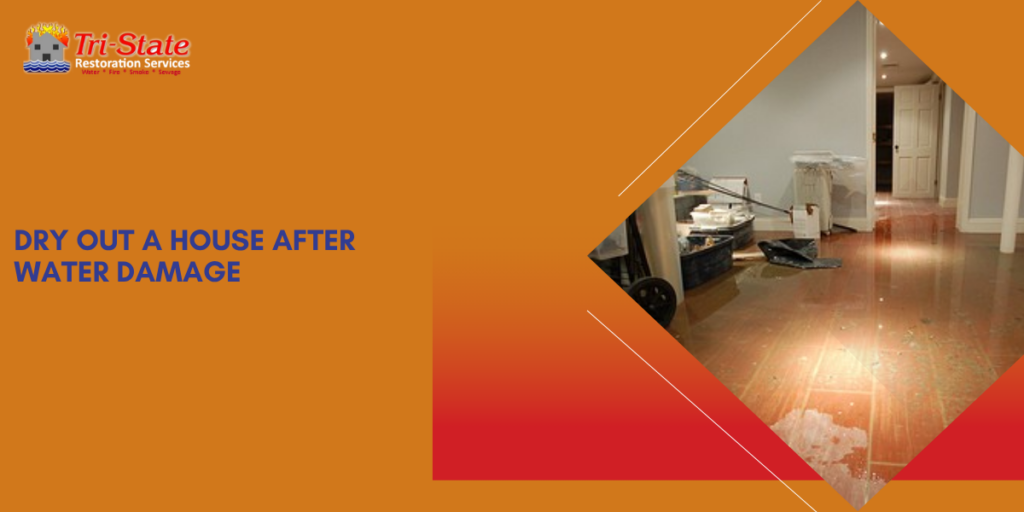
Water damage occurs when pipes leak or break, or heavy rains or storms cause water to enter through the roof.
Standing water will ruin drywall, warp wood floors, and destroy your carpets. The longer the moisture remains, the more damage is done.
Water can cause damage of different extents. It depends on what kind of water has entered your space. And how long it has been there.
Let us divide the water damage into 3 categories:
Clean Water:
This is water from broken water supply lines. It does not have any acute health hazards.
Gray Water:
This water may have considerable amounts of chemical or physical contaminants. It is from washing machines or dishwashers.
Black Water:
This water is very unhygienic. It has foul odors, bacteria, and lethal toxins.
Here is a comparison table for your better understanding.
| Water Category | Common Source | Health Risk Level |
| Category 1 | Sink supply lines, melting snow | Low |
| Category 2 | Sump pump failures, shower drains | Medium |
| Category 3 | Sewage backup, flooding of rivers. | High |
An Inside Look at the Water Damage Drying Process
Water damage restoration isn’t easy. You need to perform an extensive water damage drying process that needs specialized heavy equipment.
Open windows are not enough. There must be air circulation and dehumidification.
-
Water Extraction:
A pump is used to extract inches of standing water in no time. Water is removed from the carpets using a heavy-duty truck-mounted vacuum.
-
Evaporation:
High-velocity air movers blow on wet surfaces. The water is then evaporated from porous materials.
-
Dehumidification:
Moisture from the air is collected with dehumidifiers. The steam is turned to water for easy draining.
-
Temperature Control:
Warm air is blown in to create a specific temperature. This makes the evaporation process go faster.
Professional Water Damage Restoration for Safer Living
Serious floods in Cincinnati, Ohio, require professional water damage restoration. Professionals come prepared with industry-standard equipment. They find leaks behind solid brick and plaster walls.
Water Damage Restoration in Cincinnati, Ohio, Needs
-
Complete Mold Prevention:
Professionals use industrial antimicrobial treatments.
-
Safety Checks:
The safety of the structure is checked by taking a look at sagging floor joists.
-
Local Expertise:
Local teams can reach damaged properties within hours to help minimize losses.
Why Cincinnati Homeowners Need Professionals to Dry Their Homes
Drying a home sounds like a simple task. Opening windows and using fans for air circulation seems enough to dry up a space.
But water, being the biggest enemy of the structure, makes its way into the structure faster than you can imagine.
- Professionals are quick to evaluate where the water has reached. Certified restoration experts follow the water damage drying process to a T while adhering to safety guidelines.
- Experts record and review the drying process every day to ensure work is on track. This data guarantees that your home is properly dried to safe levels before reconstruction is started.
Use this recovery checklist when experts come over:
- Close the main water valve as quickly as possible.
- Shut off the power to flooded rooms.
- Photograph carefully the damage to all goods for insurance purposes.
- Avoid having children and pets near the water.
Final Thoughts
When water enters a space, you need to clean it properly to restore it to safety. Structural drying is not the same as cleaning up a water spill. You need heavy-duty tools to extract water and dry up the space completely.
Underestimating water damage gives birth to dangerous mold colonies. Your walls can be dried out from the inside by professional extraction. Contact local restoration experts to preserve your home and investment.
Frequently Asked Questions
What is the time duration for drying the house?
The time it takes to dry a house in Cincinnati, Ohio, is between 3 and 5 days.
Can I dry my water-damaged home by myself?
You can dry your home by yourself if the damage is minor and limited to a room.
What to do with drywall after water damage?
Replace drywall that has been damaged by water. Sagginess or bulges mean your safety is at risk.
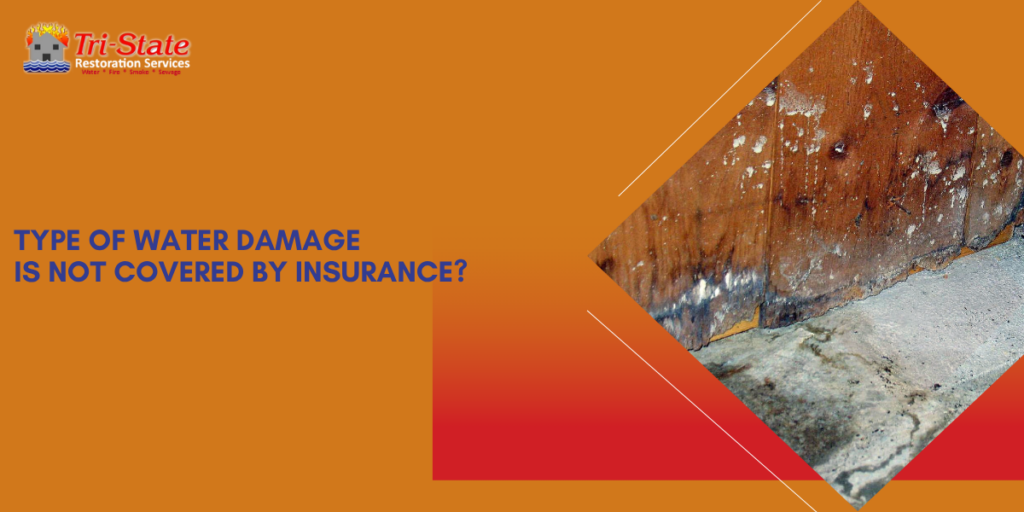
Can insurance pay for water damage restoration?
Home insurance policies include coverage for sudden pipe bursts. Most do not include coverage for any slow leak or rising water outside of the home.
When does mold begin to grow after a leak?
Mold spores become active in warm moistness within 24 to 48 hours. The best protection is to extract quickly.