Water can be the worst enemy of your home when it finds its way into places where it does not belong. The damage caused by water can quickly spiral into a major headache whether it is a burst pipe, heavy rain or a leaky appliance. That is where Water Damage Restoration comes to help out.
They have worked on a step-by-step process that has been designed to dry, clean and rebuild your home after water exposure. The experts at Tri-State Restoration Services have further specialised in restoring the homes and businesses with precision and care that result in helping the property owners bounce back quickly and safely.
What Is Water Damage Restoration?
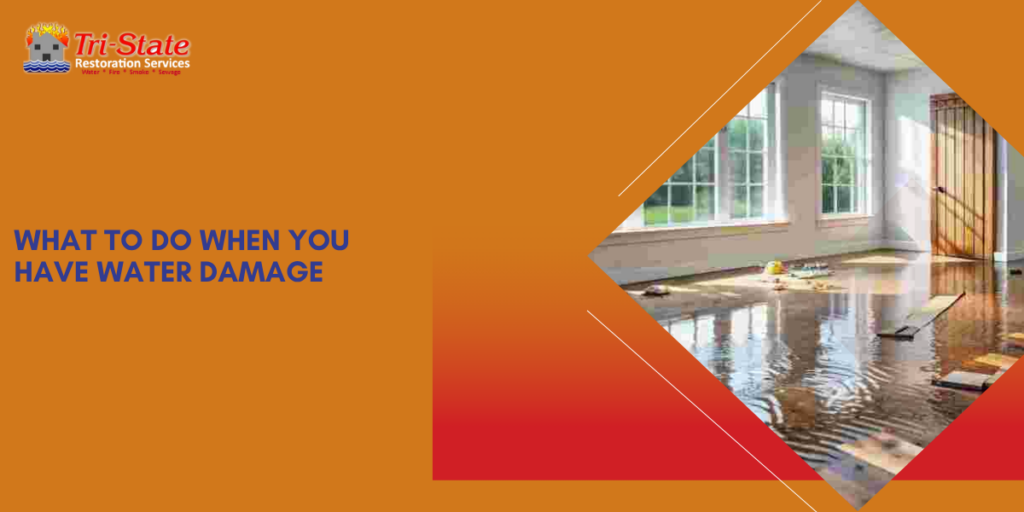
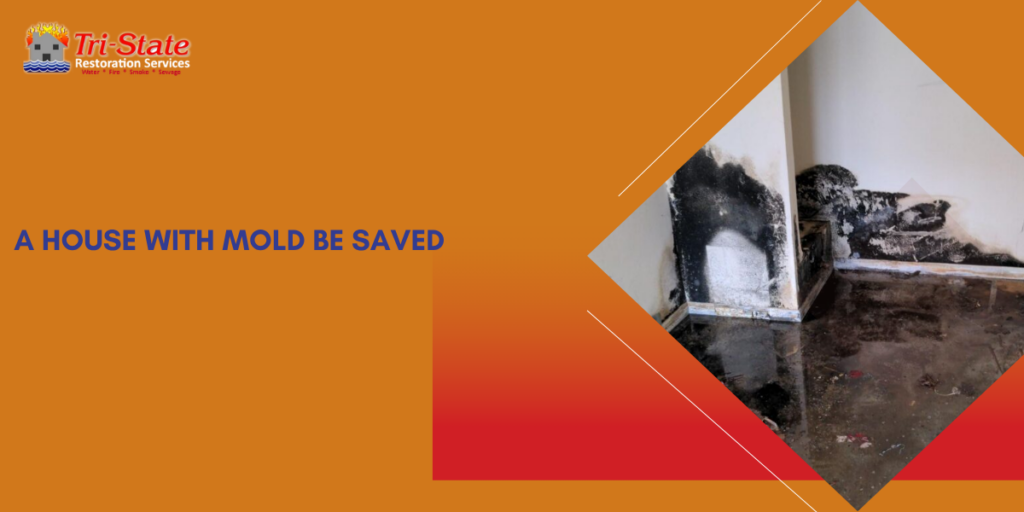
Water Damage Restoration is the process of cleaning, drying, repairing and then restoring your property after a water related disaster. It is not just about mopping up puddles but more about addressing the hidden moisture, preventing the mold growth and repairing structural issues altogether before they worsen. It is essential to know that acting fast is key and more damage can be caused to floors, walls and even the foundation if water sits longer.
Step 1: Inspect and Assess the Damage
The first step is a detailed inspection in which professionals from Tri-State Restoration Services use the advanced tools like moisture meters, infrared cameras and hygrometers in order to detect hidden water in walls and under flooring.
This assessment tends to play a great role in helping to determine the type of water involved and the safest way to handle it. The advantage of knowing the source and contamination level will definitely ensure the restoration is both thorough and safe.
Step 2: Extract Standing Water
Once the damage is assessed then the next step is removing any standing water. This is done using the industrial pumps and wet vacuums that have been designed for fast and efficient extraction.
Time is critical where the water has left for more than 24 hours and can start warping floors, damaging the drywall and breeding mold at the same time. It is easier to save your home from long term damage when you respond quickly to extract the water.
Step 3: Drying and Dehumidifying
The moisture might end up lingering deep within the materials even after visible water is gone. The high powered air movers and dehumidifiers are used to completely dry out the space during this phase.
Furthermore, the technicians are tasked to monitor the humidity and temperature levels constantly in order to ensure no damp spots remain. Thorough drying is one of the most crucial parts of Water Damage Restoration as it prevents mold and mildew from forming later.
Step 4: Cleaning and Sanitizing
It is time to clean and disinfect once everything is dry. The surfaces may need deep cleaning or antimicrobial treatments which will be depending on the source of the water. The items like carpets, upholstery and personal belongings are cleaned and deodorized with an aim to remove odors and bacteria at the same time.
This step does become even more critical particularly for black water or sewage related incidents and professionals at Tri-State Restoration Services use EPA approved disinfectants in order to make your space safe and livable again.
Step 5: Repairs and Restoration
The final phase does simply focus on restoring your property to its pre damage condition. This could mean replacing drywall, repainting walls, installing new flooring or rebuilding the entire sections of your home.
The ultimate goal is to make it look and feel just like the water damage has never happened. It is interesting to know that having a full service restoration company like Tri-State Restoration Services means you would not need to juggle multiple contractors as they handle everything from start to finish.
Why Professional Help Matters
You might be tempted to handle the water damage cleanup on your own but DIY methods often miss hidden moisture or contamination. It is nearly impossible to reach the water trapped under floors or behind walls without professional grade equipment. There are certified technicians who know how to identify the problem areas, prevent mold and safely dispose of contaminated materials. It is essential to know that professionals also document every step for insurance claims that end up saving your time, stress and potential financial loss also.
How to Prevent Future Water Damage
There are few preventive steps that can help you to protect your home. The practice of regularly inspecting the plumbing lines, water heaters and appliances for leaks can save you from big surprises. You should also inspect the clean gutters and downspouts in order to ensure the proper drainage. It is a really good idea to install water sensors or a sump pump in flood prone areas with an aim to catch leaks early. Simple maintenance now can prevent you from costly Water Damage Restoration later.
Conclusion
There is no doubt that dealing with water damage can feel overwhelming but understanding the Water Damage Restoration process might end up helping you to take control of the situation. Every step does matter from inspection to full restoration in protecting your home and your peace of mind at the same time. It is interesting to know that acting quickly and trusting the professionals like Tri-State Restoration Services will ensure that your property is dried, cleaned and rebuilt safely.
FAQs
1. How long does the Water Damage Restoration process take?
The Water Damage Restoration process is more likely to take typically 3–7 days.
2. Can I stay in my home during the restoration process?
Yes, you might stay at home during the restoration process.
3. How soon does mold start growing after water exposure?
Mold can begin forming within 24 to 48 hours after the water exposure.
4. Is water damage covered by insurance?
Insurance does cover sudden and accidental damage but not gradual leaks or poor maintenance.
5. What should I do first when I find water damage?
You need to turn off the water source if possible, unplug electronics, and call a professional restoration company like Tri-State Restoration Services immediately.